

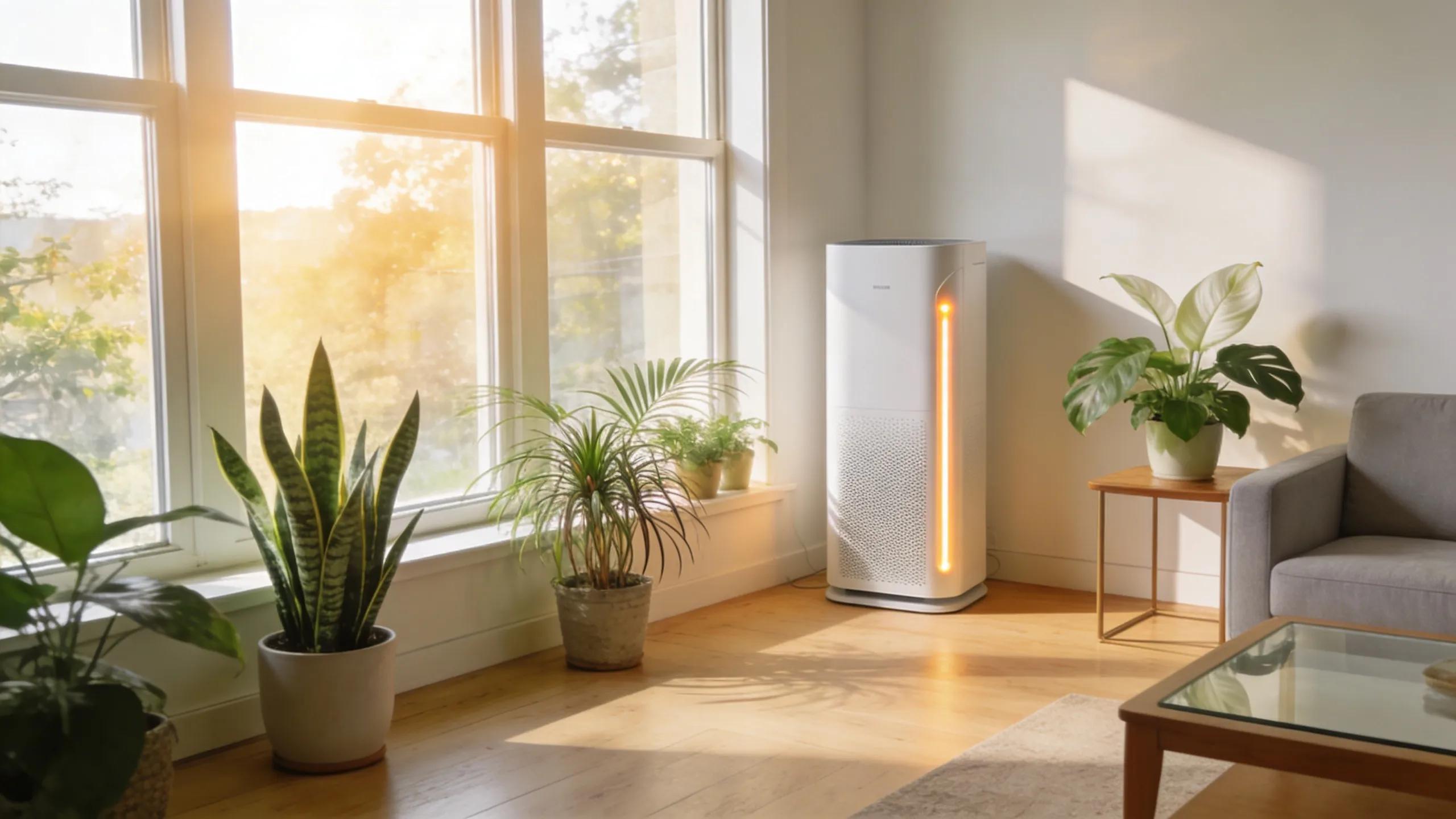
Complete Guide to Indoor Air Quality for Your Home in Vancouver, WA: Understanding, Measuring, and Improving Air Quality
At Affordable Heat & Air, we understand that indoor air quality (IAQ) significantly impacts the health and comfort of your living environment. Many homeowners face challenges like allergens, mold, and other pollutants that degrade their living conditions. Our comprehensive guide shares insights into what indoor air quality entails, how to measure it, and the effective strategies we recommend to improve it.
Indoor Air Quality Guide for Homes
Indoor air quality refers to the condition of the air within buildings, especially concerning the health and comfort of occupants. This concept includes factors such as pollutants presence, humidity levels, temperature, and ventilation methods. Since many people spend a majority of their time indoors, we emphasize prioritizing IAQ for respiratory health and overall well-being.
Definition of Indoor Air Quality (IAQ):
We define indoor air quality (IAQ) as the state of air inside residential and commercial buildings based on pollutant levels and how effectively the ventilation system operates. Key elements affecting IAQ include the concentration of volatile organic compounds (VOCs), particulate matter, humidity, and ventilation types used. Poor IAQ can cause discomfort and health concerns, so we advise homeowners in Vancouver, WA to maintain healthy air indoors.
Methods for Measuring Indoor Air Quality:
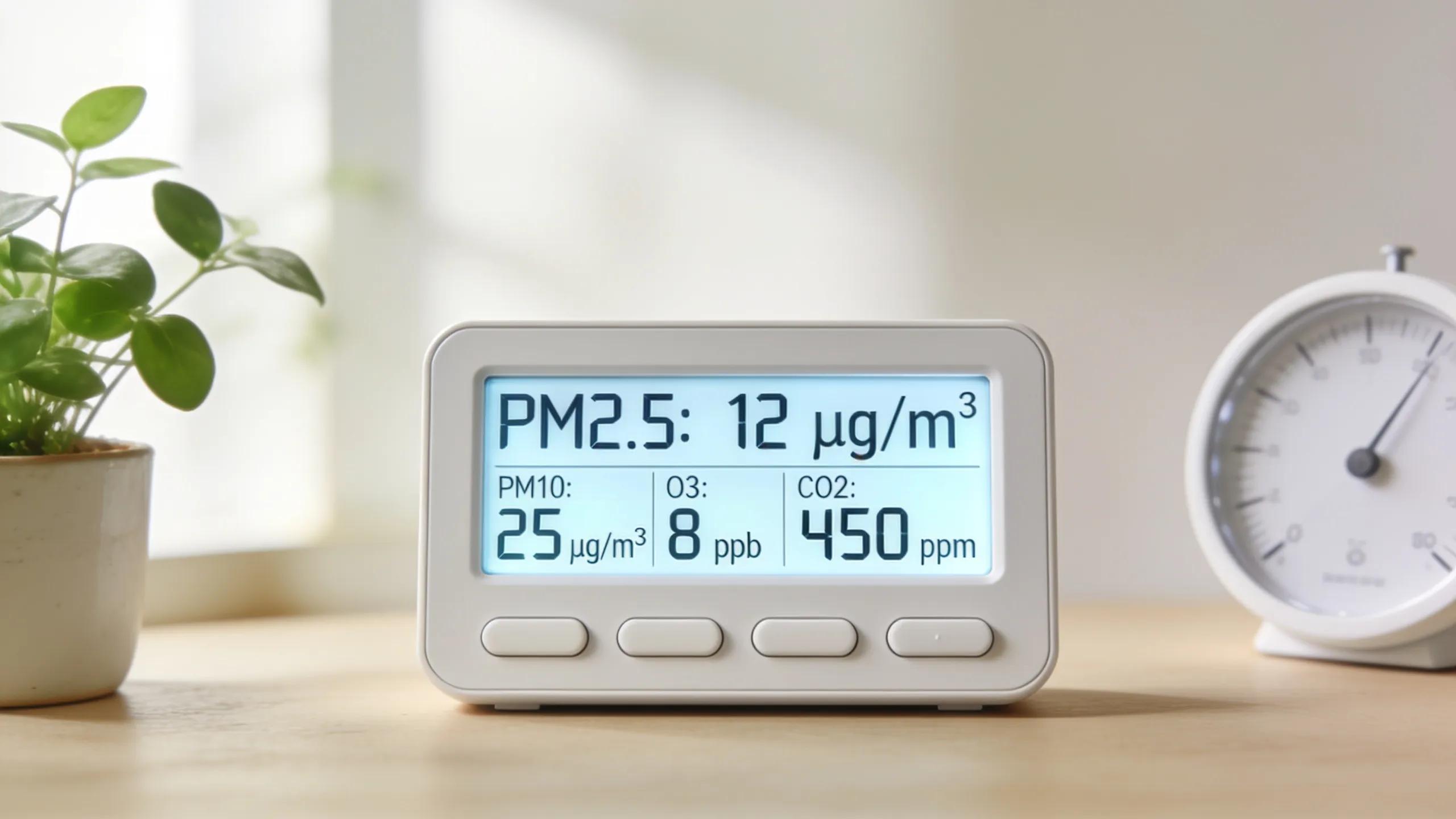
Measuring indoor air quality accurately is essential to identify pollutants and evaluate home air conditions. Our team commonly uses the following methods to assess IAQ:
- Air Quality Monitors: These devices detect pollutants such as carbon dioxide, carbon monoxide, and particulate matter, providing real-time data on your home’s air quality.
- Humidity Meters: They measure moisture levels indoors, helping prevent mold and discomfort related to excessive humidity.
- Professional Assessments: Our experts conduct detailed evaluations to identify hidden contaminants and recommend the most effective solutions tailored for your Vancouver home.
Air Quality Monitors:
We recommend using air quality monitors to keep continuous track of your indoor environment. These devices sense a range of pollutants, including VOCs and fine particles. By monitoring air quality closely, you can promptly respond to unhealthy conditions with our assistance.
Humidity Meters:
Humidity meters or hygrometers are vital tools we use to assess and manage indoor moisture levels. Controlled humidity reduces mold risks and allergen levels, thus improving overall IAQ and your household’s health.
Professional Assessments:
Our professional assessments utilize advanced technology to provide comprehensive air quality reports. These evaluations help us identify pollutant sources and offer targeted mitigation strategies customized for your unique living space in Vancouver, WA.
Effective Strategies for Improving Indoor Air Quality:
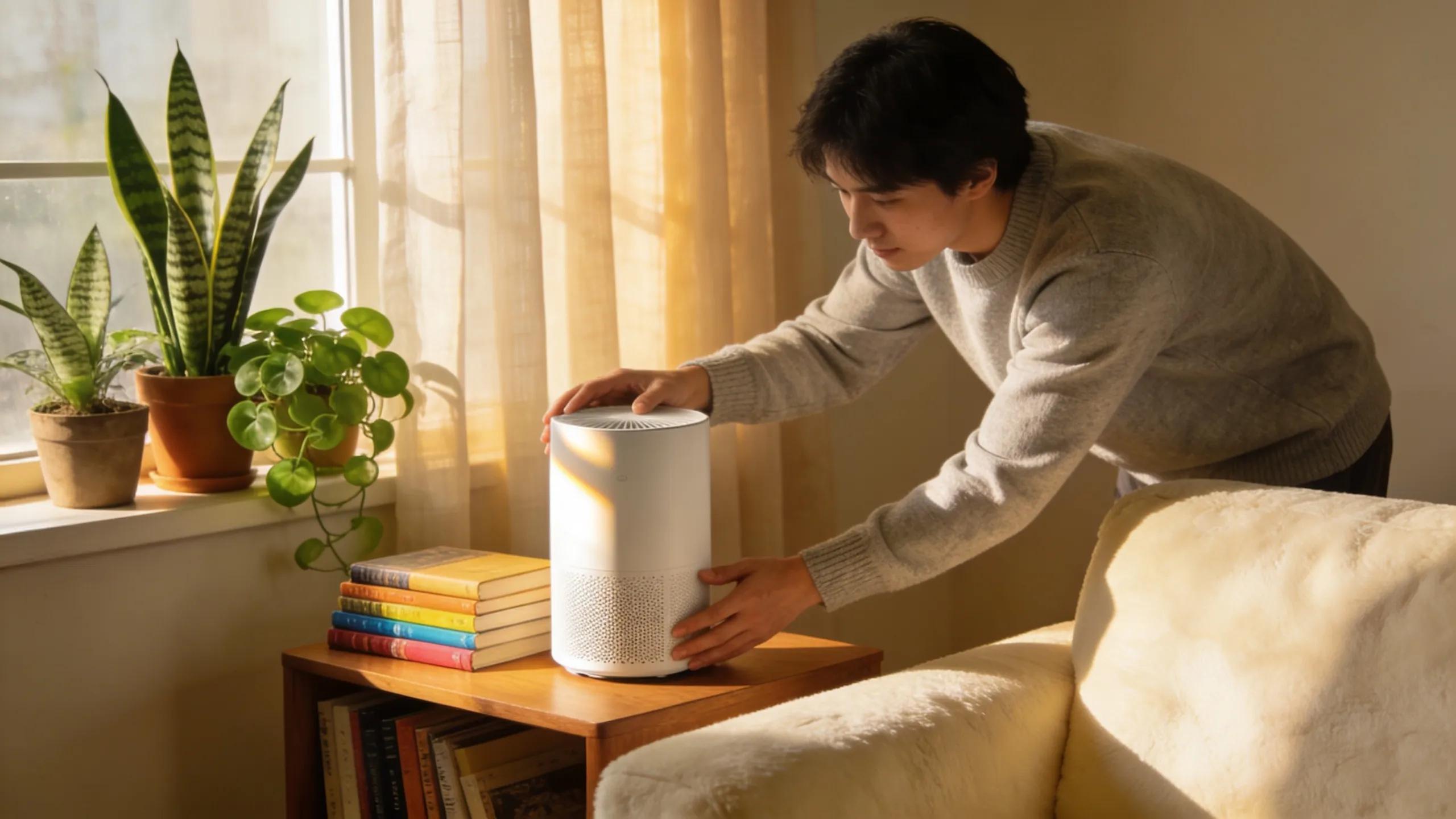
We implement multiple strategies to enhance indoor air quality effectively. Our comprehensive approach focuses on purification, ventilation, and humidity control to ensure a healthier home environment. The primary strategies include:
- Air Purifiers: These units reduce airborne particles such as allergens and dust to improve air cleanliness.
- Whole House Dehumidifiers: We help manage humidity levels to prevent mold growth and maintain comfort.
- Regular HVAC Maintenance: Routine service of heating, ventilation, and air conditioning systems keeps air quality optimal.
- Ventilation: We optimize natural and mechanical ventilation to ensure fresh air circulation.
- Humidity Control: Maintaining appropriate humidity prevents many air quality issues and supports health.
- Source Control: Identifying and reducing indoor pollution sources, such as hazardous household products, is essential.
Air Purifiers:
In Vancouver homes, we recommend air purifiers equipped with HEPA filters to capture fine particles and allergens. These devices can reduce allergy symptoms and improve overall comfort when selected and maintained correctly.
Whole House Dehumidifiers:
Our solutions include installing whole house dehumidifiers that keep humidity between 30-50%. This range inhibits mold and dust mite growth, alleviating respiratory issues and improving home comfort year-round.
Regular HVAC Maintenance:
At Affordable Heat & Air, we stress the importance of annual HVAC maintenance to guarantee clean air circulation and prevent pollutants from recirculating inside your home. Our service plans ensure your systems run efficiently with clean filters and components.
Ventilation:
Proper ventilation is critical. We assist homeowners in enhancing natural airflow through windows and fans, plus installing mechanical systems like energy recovery ventilators (ERVs) that bring in fresh air while minimizing energy loss.
Humidity Control:
Maintaining balanced humidity involves both passive measures such as insulation and moisture barriers and active devices like dehumidifiers. We monitor and adjust these factors seasonally to maintain a healthy atmosphere inside your Vancouver residence.
Source Control:
We guide homeowners on reducing indoor pollutant sources by recommending non-toxic cleaning products, safe chemical storage, and proper cleaning routines to minimize allergens and toxins indoors.
What Defines Indoor Air Quality and Why Is It Important?
Indoor air quality involves many variables affecting health within enclosed spaces. At Affordable Heat & Air, we help you understand how pollutants and ventilation impact your quality of life. Maintaining good IAQ benefits your health, reduces respiratory risks, and enhances your home’s comfort.
How Does Indoor Air Quality Affect Home Health?
IAQ is closely connected to your household’s health. Poor indoor air can cause asthma, allergies, and chronic respiratory issues. Identifying pollutant sources and improving IAQ reduces these risks and promotes better health and comfort for your family.
What Are Common Sources of Indoor Pollutants?
Common indoor pollutants in Vancouver homes include:
- Household Cleaning Products: Many emit volatile organic compounds (VOCs), affecting air quality.
- Pesticides: Products used for pest control may introduce indoor toxins.
- Building Materials: Adhesives, paints, and composite woods can off-gas harmful chemicals over time.
Understanding and managing these sources is essential for improving your home’s indoor air.
Which Pollutants Most Significantly Impact Indoor Air Quality?
Key pollutants impacting IAQ and health include:
- Particulate Matter: Fine airborne particles that penetrate lungs and cause health issues.
- Volatile Organic Compounds (VOCs): Present in many home products and can trigger headaches and respiratory symptoms.
- Mold Spores: Mold growth causes allergies and respiratory distress, especially in sensitive individuals.
Targeting these pollutants is crucial for cleaner, safer indoor air.
What Are Volatile Organic Compounds and Their Health Effects?
VOCs are organic chemicals that evaporate at room temperature, commonly found in paints, solvents, and cleansers. Exposure can cause eye, nose, and throat irritation, and in some cases, more severe health issues. We advise proper ventilation and selecting low-VOC products to reduce risks.
How Do Mold and Particulate Matter Affect IAQ?
Mold thrives in damp conditions and releases spores triggering allergic reactions and respiratory problems. Particulate matter from combustion or dust penetrates deep into lungs, worsening asthma and heart conditions. Controlling moisture and regular cleaning are part of our recommendations to mitigate these concerns.
How Can You Effectively Measure Indoor Air Quality in Your Home?
Using reliable tools and professional services is vital for accurate IAQ measurements. We offer consultations incorporating air quality monitors alongside expert assessments to provide a thorough understanding and ensure your indoor environment in Vancouver, WA remains healthy throughout the year.
What Tools and Devices Are Available for Air Quality Monitoring?
Tools we utilize include:
- Portable Air Quality Monitors: Provide real-time pollutant data and are user-friendly.
- Hygrometers: Measure indoor humidity to inform moisture control efforts.
- Professional Monitoring Services: Deliver detailed evaluations with actionable suggestions for improvement.
How Do You Interpret Indoor Air Quality Metrics?
Understanding values for PM2.5 concentrations, VOC levels, and humidity percentages is critical. Our experts explain these indicators and help you maintain them within recommended ranges to achieve optimal indoor air health.
What Solutions Improve Indoor Air Quality: Purification, Ventilation, and Humidity Control?
Our holistic approach combines air purification, adequate ventilation, and humidity management. Employing these strategies together creates a balanced, healthy indoor atmosphere that benefits you and your family daily.
How Do Home Air Purifiers Reduce Pollutants?
We install air purifiers utilizing HEPA and other filtration systems that capture airborne particles, allergens, and some pathogens. Routine maintenance and proper setup are vital to maximizing purifier effectiveness in your Vancouver home.
What Role Does Ventilation Play in Enhancing IAQ?
Ventilation refreshes indoor air by exchanging stale air with outdoor air, diluting pollutant levels. We design solutions incorporating natural airflow and mechanical systems to maintain consistent IAQ throughout different seasons.
Why Is Humidity Control Important for Healthy Air?
Maintaining balanced humidity between 30-50% helps prevent mold growth and dust mites while avoiding dryness-related issues like irritated skin and respiratory discomfort. We provide strategies and equipment to keep your home’s humidity in this optimal range.
What Are Best Practices for Maintaining Indoor Air Quality Year-Round?
We recommend several best practices including:
- Regularly changing HVAC filters to sustain clean air circulation.
- Ensuring ventilation systems and air ducts are clean and unobstructed.
- Monitoring air quality and scheduling professional assessments as needed.
- Using dehumidifiers during humid periods to control moisture.
Adhering to these practices supports a consistently healthy indoor environment in Vancouver, WA.
How Should You Manage Seasonal Changes to Protect IAQ?
Seasonal management is key; during humid summer months, we advise dehumidifier use to prevent mold. In colder months, proper ventilation while heating counters dryness. We recommend seasonal HVAC inspections and weatherproofing to maintain air quality year-round.
Which Regular Maintenance Steps Prevent Indoor Pollution?
We emphasize the importance of:
- Routine Filter Changes: Maintain your HVAC and purifier filters for efficient air cleaning.
- Cleaning and Dusting: Regular home cleaning reduces dust and allergen buildup.
- Ventilation Checks: Confirm vents are open and free of blockages for proper airflow.
Following these practices reduces pollutant accumulation effectively.
How Does Poor Indoor Air Quality Affect Long-Term Health?
Continuous exposure to indoor air pollution is associated with chronic respiratory illnesses, cardiovascular issues, and allergic conditions. We urge homeowners to prioritize IAQ to protect their family’s long-term health.
What Chronic Respiratory Conditions Are Linked to Indoor Pollutants?
Conditions such as asthma, chronic obstructive pulmonary disease (COPD), and allergic rhinitis can worsen with ongoing exposure to allergens and pollutants caused by poor ventilation. Our IAQ improvement strategies lead to symptom reduction and enhanced respiratory health.
How Does IAQ Influence Allergies and Immune Responses?
Poor IAQ aggravates allergies and can weaken immune responses due to allergens like dust mites, mold, and pet dander. Managing IAQ with our comprehensive approach helps reduce allergic risks and fosters healthier immune function.
Where Can Homeowners Find Reliable IAQ Standards and Support Resources?
We guide our clients to standards and guidelines provided by reputable organizations such as the Environmental Protection Agency (EPA) and local health agencies. These resources support informed decisions on maintaining healthy indoor air.
What Are the Latest Government Guidelines on IAQ?
The latest guidelines highlight monitoring pollutant levels, promoting proper ventilation, and minimizing exposure to indoor contaminants. Staying current with these helps us advise you better on maintaining superior IAQ.
How Can Professional Services Help Improve Your Home’s Air Quality?
At Affordable Heat & Air, our professional IAQ services include thorough assessments and customized recommendations. We identify pollutant sources, install advanced solutions, and provide ongoing support to ensure your home’s air remains clean, safe, and comfortable.
Ready to Breathe Cleaner Air in Your Vancouver Home?
Contact Affordable Heat & Air today to schedule your indoor air quality assessment and discover personalized solutions. Let us help you create a healthier home environment for you and your family.